
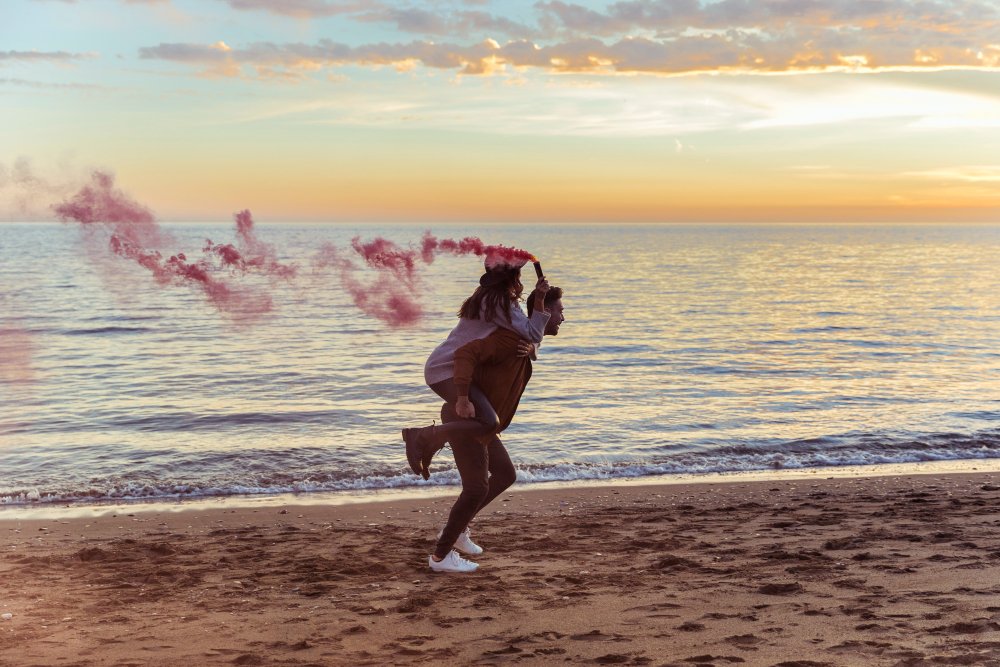
The colour of the sand often defines Bermuda’s shore. However, it is not glaring or unnatural, quite the contrary–it’s gentle, switching amongst light pink and soft red when illuminated. Such shades are what Bermuda pink sand beaches achieve in a process that is fashioned by water over time. There is no rush to it at all, and it is this very time-consuming activity that makes it so unique.
To understand the coloration, it would be useful to know the workings of the island’s ecological patterns from off the island towards the coast.
A Color That Starts Beneath the Water
The story of the pink sand does not unfold on land. Its beginning lies in the underwater world. Coral reefs and other marine life create raw materials that eventually wash ashore. Anyway, let the waves gradually break them into fine granules. Lingering with the granules are microscopic organisms whose naturally reddish shells lend a soft, warm hue to the sand.
How Movement Shapes What Stays
Ocean motion plays a defining role in what reaches the beach and what remains there. The sea separates and classifies materials by weight and size rather than distributing them evenly. So the lighter, pinkish-tinted grains act as sludge, while the heavier settled particles are washed away.
This movement is influenced by:
- Direction and strength of coastal currents
- Wave patterns along reef-protected areas
- Seasonal changes in water flow
Why the Same Beach Never Looks the Same Twice
One of the most noticeable characteristics of the pink sands is that they change color throughout the day. At dawn, the visual effect of the light is such that it gives the impression of just a pale reflection of the sun. As the day wanes, it blushes with a different reflection of its own along the water flats or across the dried sands.
Throughout the day, the shore has long shadows and the color of its sands darkens somewhat. This color, which is of natural reaction to light, moisture, and wide reflection, speaks nothing of any difference in sand.
What Creates Variation Between Beaches
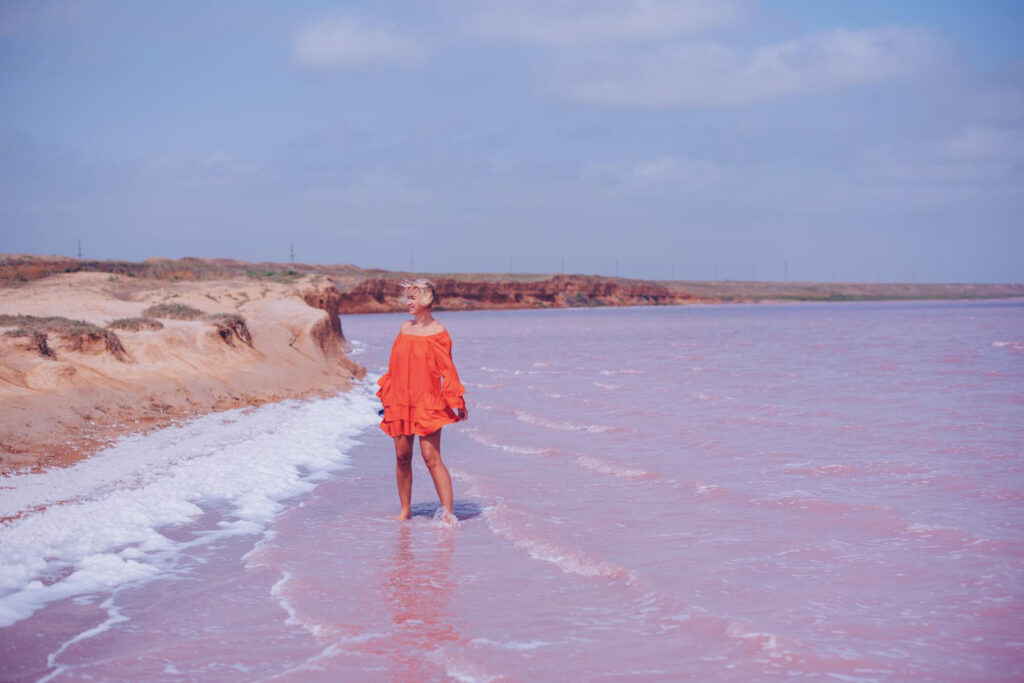
There is a difference between pink sand beaches in Bermuda. Every coast has its own environment, and thus noticeable changes are observed from one shore to the other.
Differences are shaped by:
- Proximity to coral reef systems
- Beach width and slope
- Water clarity along the shoreline
These conditions influence how much pink material accumulates in a given area, giving each beach a distinct visual personality.
Learning the Process While Exploring
Pink sand beach tours provide insight into how the coast can develop its unique colors through clear reef structures, well-placed ocean currents, and proper light reinforcement onto the coast. Physical dimension is quite useful, unlike reading about such phenomena, as it allows the individual to link the science and its application in reality.
In most cases, some of the tourist attractions may include:
- Reef formations visible from shore
- Wave behavior at different beach angles
- Natural markers that influence sand color
When Knowledge Changes the Experience
Knowing how pink sand forms alters how people move through the space. Instead of treating the beach as a backdrop, visitors notice texture, sound, and subtle color shifts. That awareness creates a richer pink sand experience in Bermuda, rooted in understanding rather than surface-level beauty.
Conclusion: Nature’s Work, Experienced Smoothly
The pink sands along the Bermudian shoreline manifest a sense of time and movement, and of balance, in the seascape and its surroundings. When trips to more than a single beach are involved, the most striking moments come from travel between them, and hence can make the journey every bit as fulfilling and substantial as the destination itself.
Exclusive Transportation Services can lend a hand to this experience by handling timing and routing, allowing tourists to enjoy the coastline without worrying about logistics.